FIRST VISIT · FLEXIBLE WEEK · JEWISH TRAVEL
CenterNYC Editorial · Prepared October 13, 2026
If your Tuesday contains three museums and both ends of Manhattan, you have made a wish list. Now comes the enjoyable part: turning it into a vacation.
At a glance: build a week around Midtown, one museum with Central Park, Lower Manhattan, Brooklyn’s waterfront and the West Side. Keep arrival and departure flexible. The outings below are movable blocks, not seven consecutive sightseeing days; for a Shabbat-observant trip, replace a block with Shabbat and protect Friday preparation time.
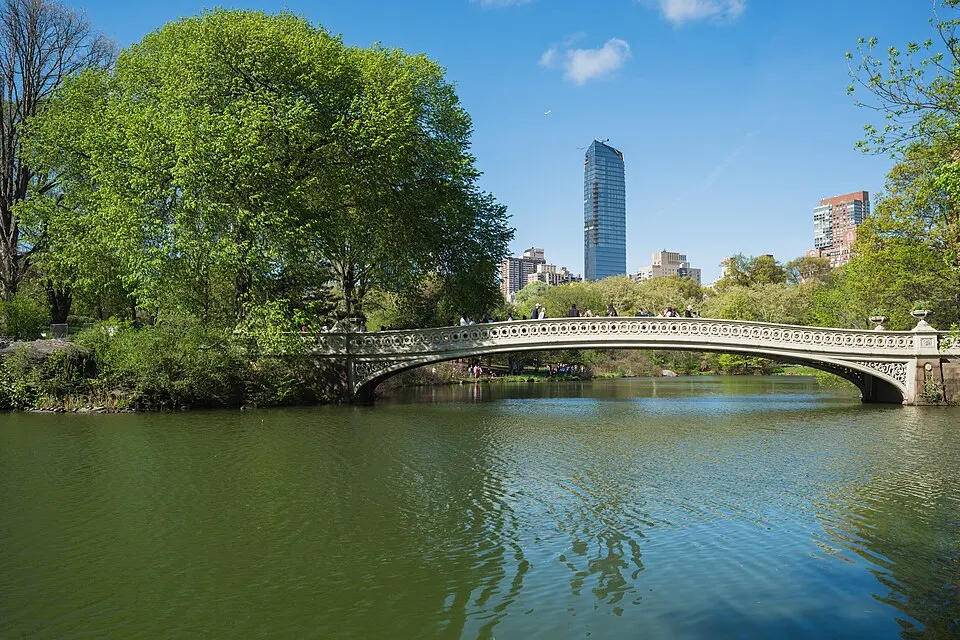

A week with room to enjoy it
| Block | Main idea | Suggested time |
|---|---|---|
| Arrival | A meal, a short walk near your accommodation and rest | 1–2 flexible hours |
| Midtown | Grand Central, Bryant Park and one optional observation deck | 5–7 hours with breaks |
| Museum and park | One museum, lunch and a nearby section of Central Park | 5–6 hours |
| Lower Manhattan | Financial District, a waterfront pause and one main paid visit | 5–7 hours |
| Brooklyn | Brooklyn Bridge, DUMBO and Brooklyn Bridge Park | 4–6 hours |
| West Side | High Line and Chelsea, with one optional attraction | 4–6 hours |
| Flexible finish | Shopping, a missed favorite, another neighborhood or departure | Fit it around your journey |
These are editorial allowances for the outings, including breaks—not opening hours or live journey predictions. Travel from your accommodation may add time. Choose the blocks that fit the number of usable days you actually have.
Choose your days, then put dates beside them
Arrival: let New York come to you
You do not need a skyline ticket to prove you have arrived. Find your accommodation, have something to eat and take a short look around if you feel up to it. A simple evening leaves room for a delayed flight, baggage or jet lag. Save the nonrefundable highlight for a day when you can enjoy it.
Midtown: the city at full volume
Begin with Grand Central, then make your way to Bryant Park and the New York Public Library. The contrast is the pleasure: a great station hall, a park pause and streets that refuse to stand still. Add one view from above—Top of the Rock, for example—if visibility, budget and available tickets make it worthwhile.
Times Square is more enjoyable when it is a short burst of light than when it becomes your entire evening. If a show is the priority, use the Broadway planning guide, arrange dinner early enough, and shorten the daytime list. Broadway should be the highlight, not the moment everyone finally gets to sit down.
Museum and Central Park: choose a side
For art, choose The Met on the east side. For dinosaurs and natural history, choose the American Museum of Natural History on the west. Follow that with the nearby part of Central Park, rather than crossing the whole park to collect another museum.
The Met’s official schedule currently lists Wednesday closure. That is why a museum day gets a date only after the opening calendar has been checked. Pick a few galleries that matter to you; there is no prize for reaching the exit with no memory of anything between the entrance and the gift shop.
Lower Manhattan: give the important places time
Use the Financial District walking guide as a starting point, then choose a main visit rather than stacking every attraction downtown. One World Observatory offers a skyline experience. The 9/11 area asks for a different pace, especially if your plans include the museum. Do not wedge an emotionally demanding visit into a narrow gap between appointments.
If the Statue of Liberty and Ellis Island are priorities, give the ferry outing a substantial part of a suitable day and reduce the rest. It is an alternative version of this block, not a free extra. A boat journey, security and return travel all belong in the timetable.
Brooklyn: give the waterfront the afternoon
Cross the Brooklyn Bridge if the walking distance and weather suit your group, then explore DUMBO and Brooklyn Bridge Park. You can also start in Brooklyn and save your energy for the neighborhood rather than treating the bridge crossing as compulsory.
Washington Street’s famous framed bridge is the Manhattan Bridge. For views of the Brooklyn Bridge itself, continue to the waterfront. Allow time to linger rather than racing between photo points. A sunset or blue-hour finish can be lovely on a suitable weekday; make the journey home part of the plan.
The West Side: a walk with one extra
Let the High Line and Chelsea set the rhythm. Add the Whitney if American art is the attraction, or choose a different West Side focus such as Intrepid on another version of the day. The carrier is farther north, so allow transport or a longer walk rather than presenting it as the next doorway.
This is a good day to keep a little unscheduled time. A neighborhood becomes more than a route when you have permission to stop somewhere simply because you like it.
The flexible block: protect it
Shopping, a return to a favorite place, an easy neighborhood morning or a slower departure day are all valid uses. If an outlet trip outside the city matters to you, it replaces this block; it does not fit invisibly between breakfast and a Midtown museum. Include both journeys and leave a margin before any flight.
Shabbat, holidays and meals are part of the design
For a Shabbat-observant week, these paid sightseeing and photography outings belong on suitable weekdays outside Jewish holidays. Reserve Shabbat for your own community, meals, rest and arrangements. Keep Friday afternoon clear; a nearby Friday-morning outing is easier to shorten than a trip across the region.
Plan kosher meals from the restaurant guides before committing to a tight reservation sequence. Match the supervision to your requirements and confirm the current certificate. A convenient museum cafe is not automatically a kosher solution. Carrying an appropriate snack can make the difference between a relaxed choice and a hungry detour.
Build the budget from the actual choices
Separate admission, meals, transit, airport travel and shopping. For each traveler, add the ticket categories that apply to their age and eligibility; unknown costs stay visible as unknowns. A family with young children can have a very different admission total from four adults following the same route.
Only then compare CityPASS with New York Pass, Explorer and Essentials. The pass should fit the week. Filling the week to justify a pass reverses the decision.
For subway and bus payment, use the current OMNY fare information. The MTA’s official how-to video demonstrates the tap process; its 2020 publication date means it is a demonstration, not a current fare quotation.
Rain, limited walking and tired feet
Swap the Brooklyn waterfront block with an available indoor visit when the forecast is poor. On a museum day, extend the galleries you enjoy and shorten the park walk. Indoor attractions still need opening hours and ticket availability checked; a rain plan should not depend on four last-minute admissions.
For limited mobility, reduce the walking segment and verify entrances, lifts and the whole transport journey for the chosen date. A subway station near a museum does not by itself establish a step-free route. With children, choose the one thing they are most excited about and protect a break afterward. Our family guide offers more age-based choices.
Frequently asked questions
Is this a fixed seven-day itinerary?
No. It is a set of movable outings. Fit them around your arrival, departure, reservations, Shabbat, holidays and energy; leave out blocks when necessary.
How many museums should I plan?
Start with one or two that genuinely interest your group. Art enthusiasts may choose more, but most visitors do not need several large museums in one day.
Should I book every hour?
Book the important timed experiences first. Keep outdoor walks, breaks and some meals flexible enough to absorb delays.
Can I add a day outside New York?
Yes, by replacing an outing and budgeting for travel in both directions. It is a separate day choice, not an addition to an already full city day.
This is an editorial planning framework, not a personal trip diary or a live route calculation. Opening calendars and fares are provided through the linked official sources; the individual guides explain admission, access and booking details.