First visit · Four full sightseeing days · Choices by neighborhood
Four days are enough to fall for New York. They are not enough to settle every argument about its best museum, pizza or skyline. The most useful itinerary gives you a reason to start the morning—and permission to stop before the afternoon becomes a test of endurance.
This four-day NYC itinerary groups your visit into Central Park, Midtown, Lower Manhattan and a choice of Brooklyn or the West Side. Plan one main attraction each day, with nearby walks and a proper meal. These are four full sightseeing days, not a promise to fit the same plan between an arrival flight and an early departure.
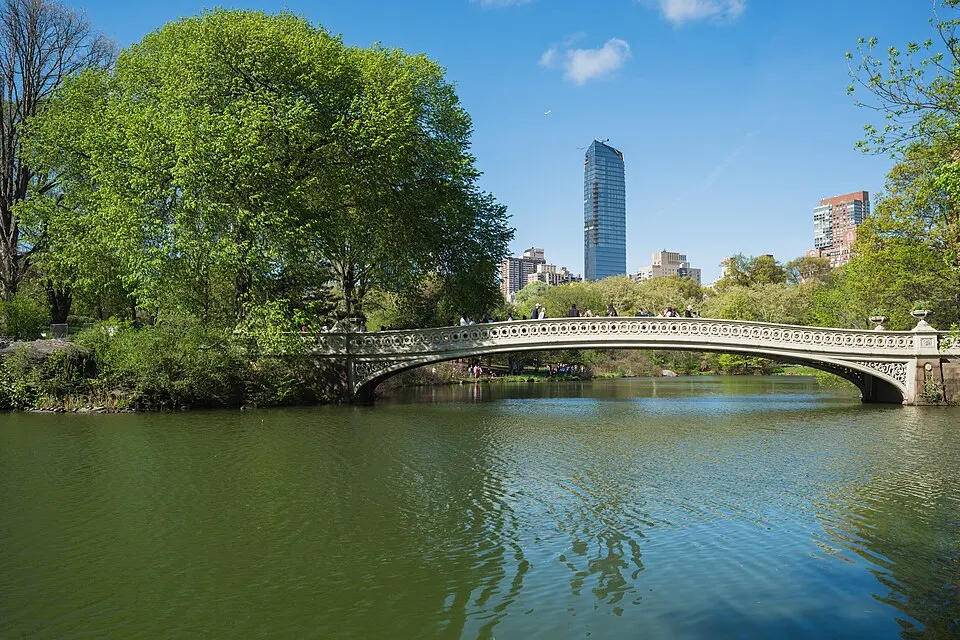

Four days, four decisions
| Day | Main choice | Suggested allowance |
|---|---|---|
| 1 · Central Park area | The Met or the Museum of Natural History, followed by a nearby park walk | 5–6 hours, including a break |
| 2 · Midtown | MoMA or an observation deck, with Grand Central and Bryant Park as optional stops | 5–7 hours; an evening show is extra |
| 3 · Lower Manhattan | Liberty and Ellis Islands, or a city day around the Financial District | 5–7 hours, depending on the chosen visit |
| 4 · Choose one side | Brooklyn Bridge and DUMBO, or the High Line and nearby West Side | 4–6 hours, with time to sit |
These are editorial planning allowances, not attraction opening hours. Put the days in the order that fits your tickets, weather and actual calendar. For a Shabbat-observant trip, use suitable weekdays; keep Friday afternoon and Shabbat outside this sightseeing plan. If your stay includes Shabbat, reduce the number of sightseeing days rather than squeezing two into one.
Choose a museum, then let the park change the pace
Begin with what you enjoy. At The Met, pick a few collections that genuinely interest you; the rest of the building will survive without your inspection. At the American Museum of Natural History, dinosaurs, wildlife and space offer a different kind of wonder. These museums sit on opposite sides of Central Park. Choose one as your main visit.
Allow roughly two to four hours inside, then head into a nearby stretch of Central Park. A bench, a snack and a view can be the best possible second attraction. Bow Bridge is a lovely photography option if it fits your route, but the park is not a small square you must cross end to end.
With children, decide which exhibits matter before entering. With an art-loving partner, let the museum take more of the day and shorten the walk. Neither version is a lesser trip. Read the museum’s ticket conditions for your group before relying on resident discounts or optional exhibitions.
Midtown, with one view worth waiting for
There is pleasure in recognizing New York without purchasing another admission: the main concourse at Grand Central, the changing energy around Bryant Park and the library, and the streets leading toward Rockefeller Center. Select the stops that fit around your main booking rather than treating them as a compulsory morning parade.
For the anchor, choose MoMA if modern art is part of the reason you came, or an observation deck such as Top of the Rock if the skyline matters more. A sunset slot needs time for arrival and queues. Sunset is when you want to be enjoying the view, not looking for the entrance.
A Broadway evening can follow a deliberately lighter afternoon. Choose the show first, reserve time for a kosher meal and work backward from the curtain. Our ticket-buying guide explains advance tickets, discounts and more spontaneous options. A lottery is a possibility, not the foundation of an anniversary evening.
Downtown: the islands or the streets
Make the big decision before booking. Visiting Liberty Island and Ellis Island is a substantial outing, with ferry travel and screening. Build the day around it. For island access, follow the authorized ticketing route linked by the National Park Service, rather than assuming every harbor cruise lands at the statue.
The alternative stays in the city: explore the Financial District, pause at the outdoor 9/11 Memorial and decide whether a museum visit or One World Observatory is your paid anchor. The museum and observation deck are different experiences with separate admissions. Leave room to process what you have seen, especially after a memorial visit.
For a harbor outing on a smaller budget, the Staten Island Ferry is a separate option. NYC DOT confirms the service between Lower Manhattan and Staten Island is free. It is not the ferry to Liberty Island. Allow time for both directions and the terminal process instead of adding it as a ten-minute detour.
Brooklyn or the West Side: a choice, not a race
Choose Brooklyn for bridges and the waterfront. Cross the Brooklyn Bridge if the walk suits everyone, then explore DUMBO and Brooklyn Bridge Park. Washington Street frames the Manhattan Bridge, despite how often photographs are mislabeled. The waterfront gives you the Brooklyn Bridge from another angle. Stop long enough to enjoy the difference.
For a shorter outing, go directly to Brooklyn and skip the bridge crossing. The Brooklyn Heights Promenade is another skyline choice with benches; adding it to a full bridge-and-DUMBO day is optional. It does not need to become a final assignment for tired feet.
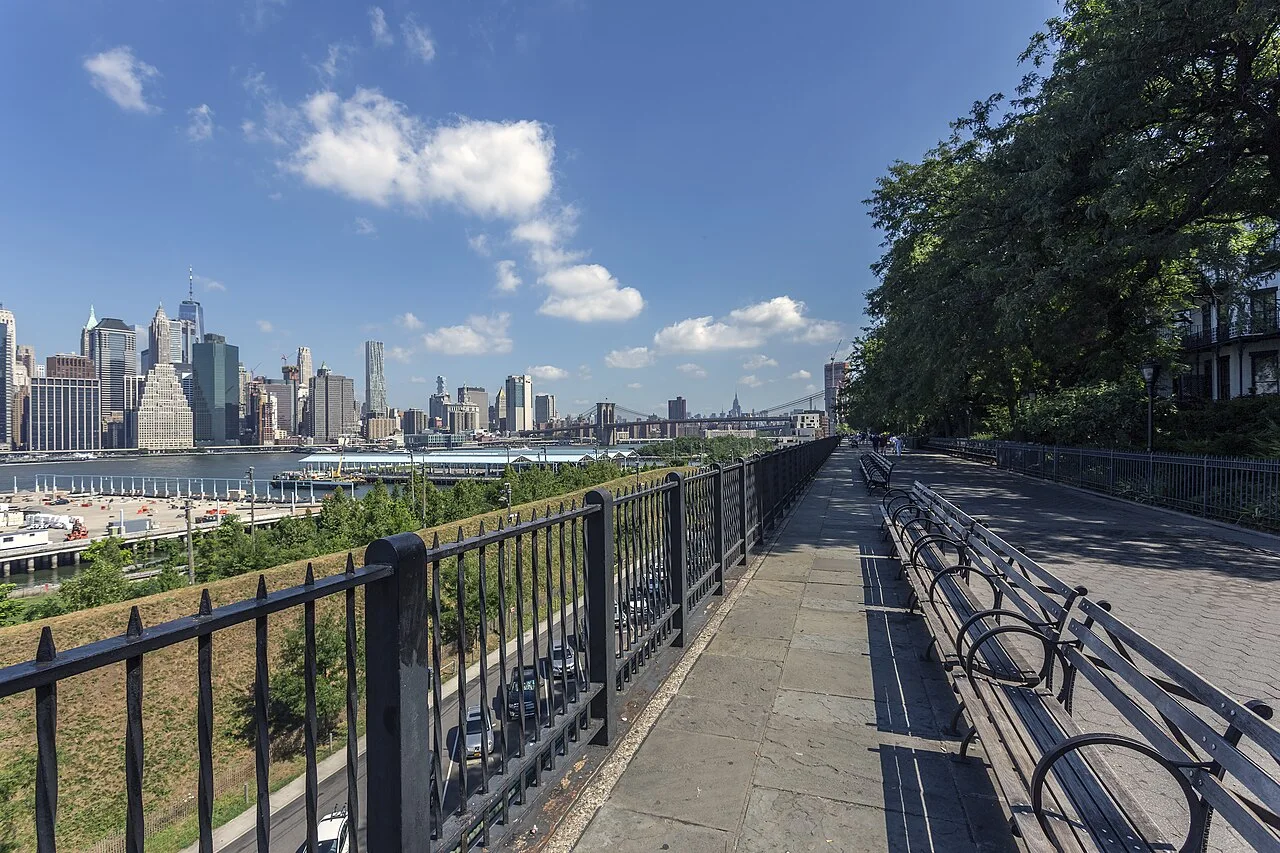

Choose the West Side for a different rhythm. Walk a manageable section of the High Line, explore nearby streets and leave time for whatever draws your attention. If American art is your priority, make the Whitney the anchor and shorten the outdoor portion. A market visit can be interesting without being your kosher meal stop.
Make the itinerary fit the people taking it
Rain: swap an outdoor day with a museum day only when your reservations allow it. Keep a booked performance or timed admission fixed and adjust nearby time around it. The city is large enough without crossing it twice to chase a gap in the clouds.
Food: choose certified kosher meals by address and current supervision, using our restaurant guides as a starting point. A restaurant’s presence in a sightseeing neighborhood is not a kosher recommendation. Carry a simple snack so lunch does not become an emergency.
Budget: add the exact admissions you intend to buy, then compare individual tickets with CityPASS or New York Pass. Include the children’s actual age bands and the ticket level you want. A pass should follow your itinerary, not turn it into a competition.
Getting around: use transit between areas and walking within manageable clusters. The official MTA video showing how to use OMNY demonstrates the tap-to-pay action; it is a 2020 demonstration, not a current fare quote. Use OMNY’s fare information for today’s pricing and rules.
Frequently asked questions
Does this include arrival and departure days?
No. It assumes four full sightseeing days. If flights take part of that time, remove an entire optional outing instead of compressing every visit.
Can we do everything on foot?
Plan to use transit between areas. Within each day, choose a comfortable walking route and allow time for station access, waiting and rest.
Is this suitable for children?
Yes, with fewer stops, shorter walks and one main attraction each day. Our family guide offers more ideas by age and energy.
What if we have a week?
Spread the main visits out rather than doubling the daily list. Our one-week itinerary adds room for neighborhoods, weather changes and rest.
This is an editorial itinerary, not a personally documented four-day trip. Attraction-specific tickets and access are covered in the linked guides; the official NYC DOT ferry page was checked October 13, 2026. Read the Hebrew guide.