ART, DINOSAURS & A DAY THAT FITS YOU
New York has a museum for almost every curiosity. The difficult part is admitting you do not have to visit all of them. An Egyptian temple can make your afternoon; so can an aircraft carrier. Neither improves because you sprint through it on the way to three more museums.
The short answer: start with The Met for a broad sweep of art and history, the American Museum of Natural History for dinosaurs and science, or MoMA for modern art. Choose the Guggenheim around an exhibition that genuinely interests you. Plan one main museum per day, then add a neighborhood walk or an unhurried meal.
By Zvi Zidon and the CenterNYC editorial team · Admission examples checked October 13, 2026.

Choose the afternoon, then the museum
This is a selection guide, not a league table. Someone who loves film may have a better afternoon in Astoria than in a world-famous painting gallery. The time allowances below are our suggestions for a focused visit, excluding travel, queues and a meal. Follow each link for the full guide, current ticket details and practical access information.
| Museum | Choose it for | Allow |
|---|---|---|
| The Met | Art across centuries, ancient objects and the pleasure of unexpected discoveries. | 2–4 hours |
| American Museum of Natural History | Dinosaurs, the natural world and a science-led family day. | 3–5 hours |
| MoMA | Modern art, familiar masterpieces and work that may start an argument. | 2–3 hours |
| Guggenheim | The spiral building and a current exhibition you want to see. | 1½–2 hours |
| Intrepid | Aircraft, engineering and the scale of a real aircraft carrier. | 3–4 hours |
| Museum of the Moving Image | The craft of cinema and television, in Astoria, Queens. | 2–3 hours |
| Jewish Museum | Art and Jewish culture in an Upper East Side day. | 1½–2½ hours |
| Brooklyn Museum | A Brooklyn art day, with room for the surrounding neighborhood. | 2–3 hours |
| Morgan Library & Museum | Historic interiors, books and a more compact cultural stop. | 1½–2 hours |
The Met, MoMA or Guggenheim: three different moods
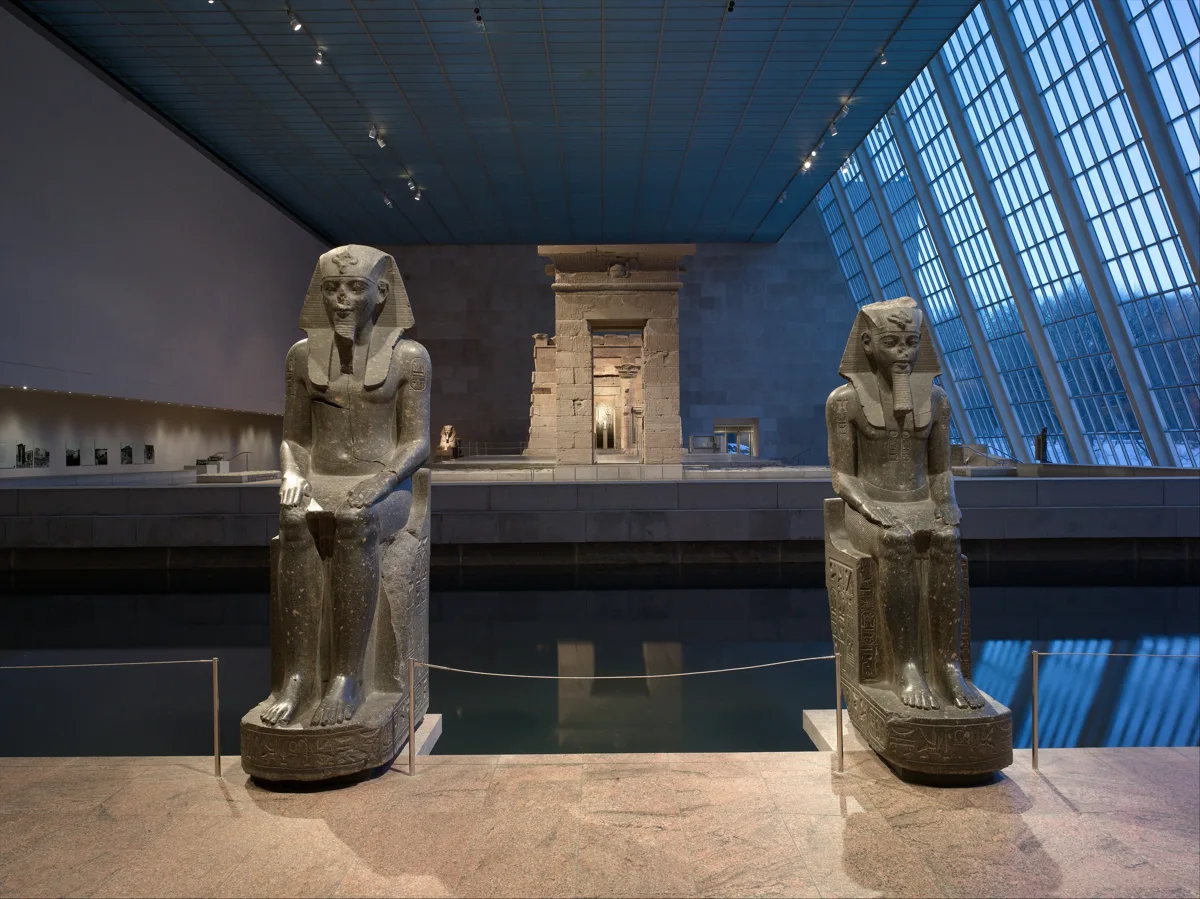
The Met is the generous host. You can arrive with a single interest and discover another on the way. The danger is treating the floor plan as a to-do list. Choose two or three sections, leave some room for wandering, and finish while you still want a little more. Our Met guide helps narrow the choices.
MoMA asks whether you enjoy modern art, not simply whether you enjoy museums. A recognizable painting can be an exciting encounter, but much of the pleasure comes from looking at work that does not explain itself immediately. Take your time with a few pieces. If you are curious but feel lost, an audio guide or a well-chosen guided tour can turn a room of question marks into a conversation.
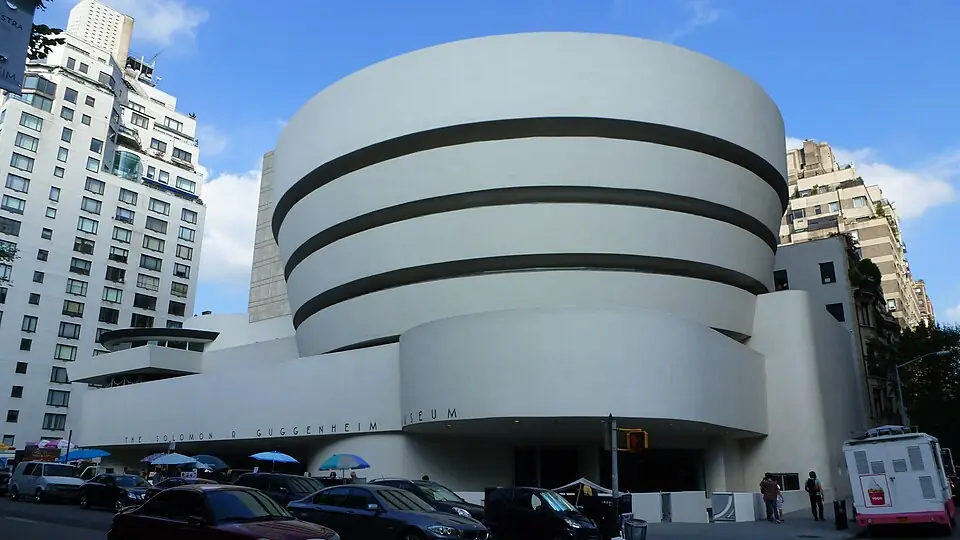
Zvi’s view of the Guggenheim is more selective: “I have been several times and have not particularly enjoyed the visits.” That is a personal reaction, not a verdict on every exhibition. The useful question is what is showing on your dates. If the subject grabs you, the building becomes part of the experience; if it does not, a famous address alone is a thin reason to buy a ticket. Read the Guggenheim guide before deciding.

What tickets cost—and what “free” really means
For visitors paying standard admission, the following examples give a starting budget. These are museum admission costs, not a complete day’s spending.
| Example | Adult admission | Important distinction |
|---|---|---|
| The Met | $30 | Children 12 and under enter free. Tickets include exhibitions and both Met locations on the same day. |
| MoMA | $30 | Children 16 and under enter free; galleries and special exhibitions are included. |
| American Museum of Natural History | $37 standard general admission | For visitors from outside New York State. One ticketed exhibition raises adult admission to $43; all ticketed exhibitions to $48. |
Two adults and two children aged 8 and 10 would therefore pay $60 at The Met or MoMA, versus $118 for standard general admission at AMNH. These examples exclude transport, food and any separately charged activities. They are useful comparisons, not a reason to take dinosaur-loving children to a painting gallery they do not want to visit.
The Met’s pay-what-you-wish policy applies to New York State residents and students from New York, New Jersey and Connecticut; it is not a general tourist discount. At AMNH, New York State residents with ID can choose their general-admission payment. Ticketed exhibitions are a separate question.
MoMA’s Friday evening benefit is for New York State residents, with advance reservations. We do not use Friday-night admission windows in Shabbat-observant itineraries. A genuinely different free option is MoMA PS1 in Queens: it currently offers free admission to everyone, but it is a separate venue with its own program, not free entry to Midtown MoMA.
If you are considering a pass, compare the museums you actually intend to visit in our CityPASS and New York Pass guide. A pass does not create extra energy, and a discount on an unwanted stop is not much of a saving.
Make the museum the anchor, not the entire checklist
Upper East Side: choose The Met, Guggenheim or Jewish Museum, then leave space for Central Park. Art followed by daylight often feels better than art followed by a second coat check. The Met is closed on Wednesdays; that small detail should shape the day before you choose lunch.
Upper West Side: give AMNH the main part of the day. It normally opens 10 a.m.–5:30 p.m., except Thanksgiving and Christmas. A family can choose a few favorite halls and still have plenty to discuss afterward. Reserve ticketed experiences deliberately rather than hoping to fit every time slot around a tired child.
Midtown: MoMA makes an easy cultural anchor. Its usual daytime hours are 10:30 a.m.–5:30 p.m. Intrepid is farther west: it is a destination in its own right, not an extra gallery of the same museum day.
Brooklyn or Queens: choose the borough on purpose. The Brooklyn Museum can anchor a Brooklyn outing; Moving Image gives film lovers a reason to spend time in Astoria. Borough names cover large areas, so compare the actual journey rather than putting two places together because both say “Queens.”
For a slower, very different art setting, consider The Met Cloisters. Although the Met ticket includes both sites that day, the transfer still takes time. You do not have to use every inclusion to get a satisfying visit.
Children, rain and the art of stopping in time
With children, start by asking what they would be excited to tell somebody about afterward: a dinosaur, an airplane, a film prop or an optical puzzle. That answer is often more useful than a list of famous museums. For younger children, compare the Children’s Museum of Manhattan; for hands-on mathematical curiosity, see MoMath.
On a rainy day, an indoor museum can rescue the plan, but it does not eliminate queues or transfers. Intrepid combines indoor spaces with an exposed flight deck, so it is a different weather choice from an enclosed art gallery. Keep the route from the subway and your group’s walking tolerance in the calculation.
For visitors who need a step-free route, use the individual museum’s access information before booking. At large museums, the most suitable entrance may be different from the entrance in the postcard photograph. A bench break is part of the visit, not a failure to appreciate culture.
Photographs, guided visits and lunch
Choose a few photographs that tell the story of your visit: the scale of the Dendur gallery, the Guggenheim’s curve or aircraft against the skyline at Intrepid. Follow the rules posted for each gallery; special exhibitions may differ. Let the camera have a turn, then put it away long enough to actually look.
A guided visit is especially useful when your interest is strong but your background knowledge is limited. The Met links to free tours from its visit page; consult the current calendar for topics and meeting points. For paid tours, compare language, length and whether admission is included.
Plan a certified meal using our kosher restaurant guides, rather than assuming a museum café will meet your requirements. For Shabbat-observant visitors, Sunday through Thursday makes planning simplest; an early Friday visit needs time to get back before candle lighting.
Frequently asked questions
Which New York museum should I choose if I have time for only one?
Choose The Met for broad art and history, AMNH for natural history, or MoMA for modern art. Your interests matter more than completing a famous list.
Can tourists pay what they wish at The Met?
Not automatically. The policy is for New York State residents and students from New York, New Jersey and Connecticut, with eligibility requirements.
Is MoMA PS1 the same place as MoMA?
No. MoMA is in Midtown Manhattan; MoMA PS1 is a separate venue in Queens. PS1 currently offers free admission for all.
Should I visit two big museums in one day?
It is possible, but our default recommendation is one main museum plus a walk or meal. Two full museum visits can become tiring, especially with children or a long transfer.
Start with the museum you most want to enter. Then leave enough of the day unbooked to enjoy coming back out.
Admission examples verified October 13, 2026 against the linked official Met, MoMA and AMNH pages. Visit lengths and suggested combinations are editorial recommendations. Zvi’s Guggenheim opinion comes from his own visits; this comparison does not claim a firsthand visit to every venue.